
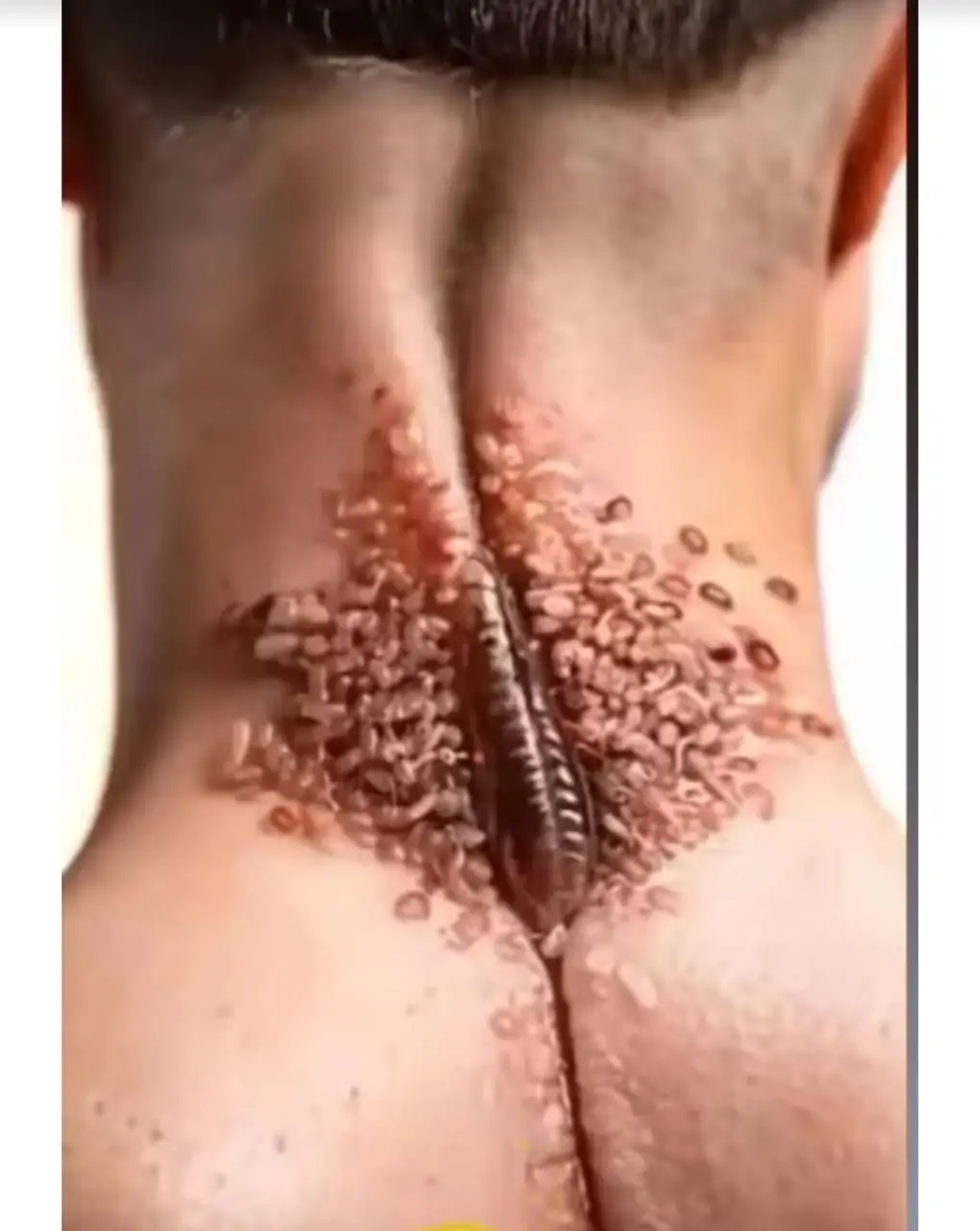
Skin Infestations in Humans: Understanding and Treating Parasitic Infestation
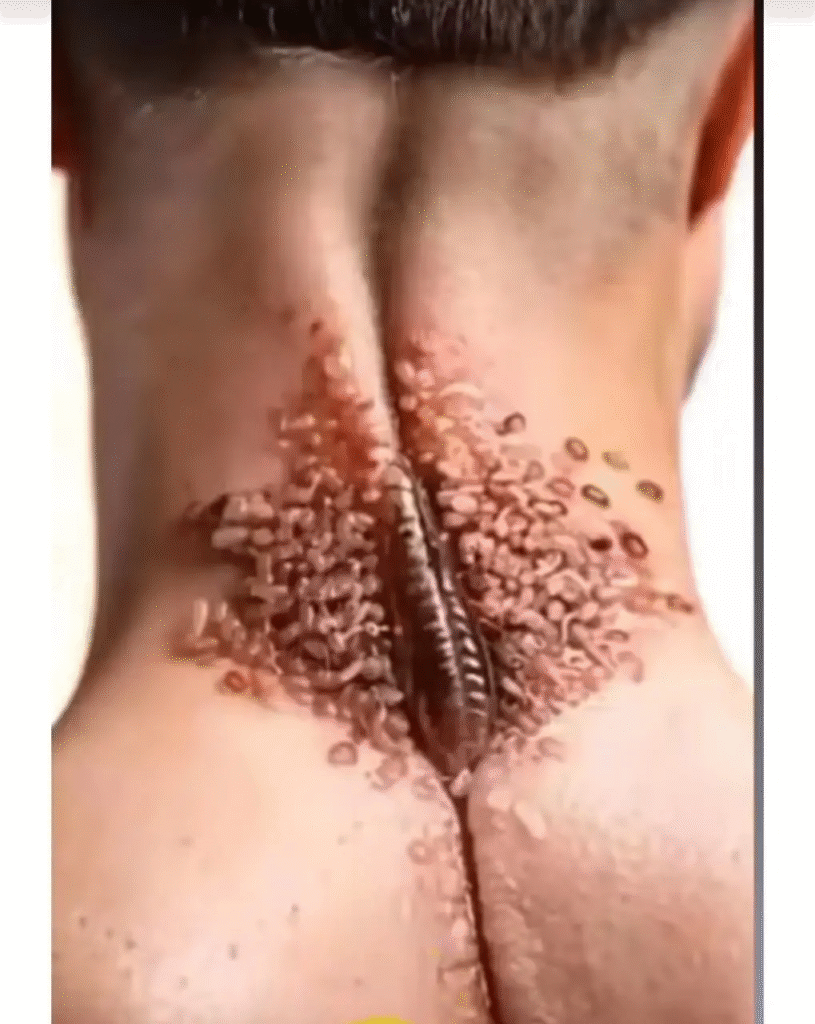
Introduction to Skin Infestations in Humans
What Are Skin Infestations?
Skin infestations in humans are a troubling and often misunderstood condition that involves the invasion of the skin by living organisms—most notably, parasites. Unlike infections caused by bacteria or viruses, skin infestations are typically caused by ectoparasites—organisms that live on the surface of the skin, feeding off human tissue or blood. This includes mites, lice, fleas, and even certain types of fly larvae. The presence of these unwanted guests not only causes discomfort but can also lead to secondary infections, intense itching, rashes, and even psychological stress.
These infestations can affect anyone, regardless of age, hygiene, or lifestyle. While some parasites thrive in unsanitary conditions, others can latch onto even the most health-conscious individuals through contact with infested clothing, bedding, or other people. It’s a global issue that often remains underdiagnosed or improperly treated, especially in places where access to dermatological care is limited. Whether it’s a child scratching endlessly at lice or an adult traveler dealing with scabies after a trip abroad, parasitic skin infestations are more common than most people think.
Getting familiar with what these infestations are and how they manifest is the first step toward prevention and proper treatment. Early detection and prompt action can prevent further spread—not just on the individual’s body but also to others around them. These infestations are not just a nuisance; they’re a health issue that requires attention, empathy, and effective medical care.
The Role of Parasites in Skin Conditions
Parasites are organisms that live in or on a host and benefit at the host’s expense. When it comes to skin conditions, these invaders can create chaos. Some of them burrow under the skin (like scabies mites), while others cling onto hair shafts or pierce the skin to feed on blood (like lice and fleas). In many cases, the damage caused by these parasites is not limited to physical discomfort; they also create inflammatory responses, allergic reactions, and can even act as carriers for other diseases.
There are two major categories to consider: ectoparasites and endoparasites. Ectoparasites, such as lice and mites, live on the skin’s surface or within its top layers. Endoparasites, though primarily found inside the body, can sometimes produce skin symptoms, like rashes or migratory lesions. A classic example of this is Cutaneous Larva Migrans, where hookworm larvae from animal feces penetrate human skin, creating winding trails.
Parasitic infestations of the skin can be deeply distressing. In addition to the physical signs—redness, bumps, lesions—many people report significant emotional toll, including anxiety and social withdrawal. Misdiagnosis is also common, as these infestations often mimic conditions like eczema, allergies, or fungal infections. That’s why understanding the parasitic component is essential in correctly identifying and managing these issues. Through education and awareness, more people can seek proper treatment rather than suffer in silence or turn to ineffective home remedies.
Types of Parasitic Infestations in Humans
Ectoparasites vs. Endoparasites
Parasitic infestations in humans can be broadly categorized into two types: ectoparasites (external parasites) and endoparasites (internal parasites). While both can affect the skin in different ways, ectoparasites are the ones most directly involved in visible skin infestations.
Ectoparasites include organisms like:
- Scabies mites
- Head, body, and pubic lice
- Fleas
- Bedbugs
- Ticks
- Botflies
These parasites either burrow into the skin or live on its surface, feeding on blood or skin cells. The resulting damage can include intense itching, skin irritation, sores, and secondary bacterial infections from constant scratching.
On the other hand, endoparasites reside inside the body, such as in the intestines or bloodstream. However, some of them manifest with skin symptoms. For instance:
- Hookworms can cause Cutaneous Larva Migrans, a skin condition caused by larvae migrating under the skin.
- Leishmania parasites, transmitted by sandfly bites, cause cutaneous leishmaniasis, presenting as painful skin ulcers.
Understanding whether an infestation is caused by ectoparasites or endoparasites is crucial for diagnosis and treatment. While ectoparasites often respond well to topical treatments and strict hygiene measures, endoparasites may require systemic medications and more rigorous medical intervention. In either case, early identification and a clear understanding of how these parasites interact with the skin can mean the difference between a quick recovery and prolonged suffering.
Common Parasites Affecting Human Skin
There are numerous parasites that can affect human skin, but some are more prevalent and problematic than others. Here are the most commonly encountered culprits:
- Sarcoptes scabiei – the mite responsible for scabies. It burrows into the skin and causes severe itching and a pimple-like rash.
- Pediculus humanus capitis – better known as head lice. These insects cling to the scalp, laying eggs (nits) on hair shafts.
- Pthirus pubis – or pubic lice, which infest coarse body hair.
- Tunga penetrans – the sand flea responsible for tungiasis, often affecting feet and toes.
- Cutaneous larva migrans – caused by hookworm larvae found in contaminated soil or sand.
- Botfly larvae – causing myiasis, where fly larvae develop under the skin.
- Leishmania spp. – transmitted by sandfly bites, leading to cutaneous leishmaniasis.
These parasites can infest any part of the body, though certain species have preferences. For instance, lice are more common in hair-covered areas, whereas scabies typically affects skin folds like between the fingers, underarms, and groin.
The infestations are typically characterized by:
- Intense itching, especially at night
- Red, inflamed bumps or blisters
- Track marks or visible burrows
- Secondary infections due to scratching
Identifying the specific parasite is essential for effective treatment. In some cases, a dermatologist may use a microscope to examine skin scrapings or perform lab tests to confirm the diagnosis. With proper care and medication, even the most stubborn infestations can be managed.
Scabies: A Common Skin Parasitic Infestation
Symptoms of Scabies
Scabies is one of the most widespread and contagious skin parasitic infestations in the world. Caused by the mite Sarcoptes scabiei, it burrows into the upper layer of the skin to live and lay eggs. These tiny mites are barely visible to the naked eye, yet they can cause severe skin reactions and unbearable itching.
Symptoms of scabies typically appear 2 to 6 weeks after initial exposure, but can show up sooner in people who’ve had it before. The hallmark signs include:
- Intense itching, especially at night
- Pimple-like rash or tiny blisters
- Thin, wavy burrow tracks often found between fingers, wrists, elbows, and waist
- Crusting and scaling in severe cases, particularly in immunocompromised individuals (Crusted Scabies)
The itching is caused by the body’s allergic reaction to the mites, their eggs, and waste. This can lead to obsessive scratching, often resulting in open sores, scabbing, and even bacterial infections such as impetigo.
In infants and elderly individuals, scabies might appear in unusual areas such as the scalp, face, palms, and soles. It’s highly contagious and spreads through prolonged skin-to-skin contact or via shared clothing and bedding. Family members and sexual partners are often infected together.
Proper identification of symptoms is crucial to prevent the spread. Without treatment, scabies can persist for months or even years, getting worse over time. If you or someone close to you is showing these symptoms, it’s time to take action—because scabies doesn’t go away on its own.
Causes and Risk Factors of Scabies
Scabies doesn’t appear out of nowhere. Understanding how it spreads and what makes certain people more vulnerable can help in prevention. The primary cause of scabies is the transfer of the Sarcoptes scabiei mite from one human to another. This usually happens through:
- Prolonged skin-to-skin contact (e.g., sleeping in the same bed, hugging, or caregiving)
- Sharing infested clothing, towels, or bedding
- Sexual contact, which is one of the most common transmission modes among adults
Scabies can’t be caught from a brief handshake or casual contact, but crowded living conditions make outbreaks far more likely. This is why it’s prevalent in:
- Nursing homes
- Childcare centers
- Prisons
- Military barracks
- Refugee camps
Risk factors include:
- Weakened immune system: Individuals with compromised immunity, such as those with HIV/AIDS or undergoing chemotherapy, are more likely to develop severe forms like crusted scabies.
- Close contact with infested persons: Family members, roommates, or caregivers are at high risk.
- Poor hygiene and crowded conditions: While anyone can get scabies, these environments facilitate faster spread.
- Topical scabicides: These are prescription creams and lotions like permethrin 5%, crotamiton, or sulfur ointments. They are applied all over the body (from neck down for adults, full body for infants) and left on for 8–14 hours before washing off.
- Oral medications: In more resistant cases or crusted scabies, ivermectin is prescribed.
- Antihistamines: These help manage itching and allergic reactions.
- Antibiotics: If scratching leads to secondary infections, a round of antibiotics may be necessary.
- Washing all clothes, bedding, and towels used within the last three days in hot water (above 122°F or 50°C) and drying on a hot cycle.
- Sealing items that can’t be washed in plastic bags for at least 72 hours, as mites can’t live long without a host.
- Vacuuming carpets, furniture, and car seats to remove mites and eggs.
Scabies prevention also includes awareness. Knowing how it’s transmitted and catching it early can stop an outbreak before it begins. Schools, shelters, and shared living environments should educate residents and staff about scabies symptoms and hygiene protocols.
Lice Infestation (Pediculosis)
Head Lice, Body Lice, and Pubic Lice
Lice are another infamous cause of skin infestations in humans. These tiny, wingless parasites feed on human blood and live on the scalp, body, or in pubic hair. Though not dangerous, they’re extremely itchy, contagious, and socially stigmatized.
There are three types of lice that affect humans:
- Head lice (Pediculus humanus capitis) – Found in the hair and scalp, especially behind ears and near the neckline.
- Body lice (Pediculus humanus corporis) – Live in clothing and move to the body to feed.
- Pubic lice (Pthirus pubis) – Often called “crabs,” found in the genital area, armpits, chest hair, and eyelashes.
Each louse is about 2–3 mm long and lays tiny eggs (nits) that cling to hair shafts or fabric fibers.
Transmission and Symptoms
Lice infestations are usually spread through:
- Direct head-to-head or body-to-body contact
- Sharing combs, hats, headphones, bedding, or towels
- Sexual contact (especially for pubic lice)
Symptoms include:
- Itching and tickling sensation, especially around the scalp, neck, or pubic area
- Red bumps or sores caused by scratching
- Visible lice or nits in hair shafts or seams of clothing
- Blue-gray discoloration in affected areas (pubic lice)
Head lice are most common in children, especially in schools. Contrary to popular belief, lice can infest anyone—clean or dirty—and they don’t jump or fly.
Remedies and Treatments
Treating lice requires a combination of topical treatments, manual removal, and environmental cleaning.
- Over-the-counter (OTC) treatments: Permethrin 1%, pyrethrin-based shampoos, and dimethicone-based lotions.
- Prescription options: For resistant lice, stronger medications like malathion, benzyl alcohol, or ivermectin lotion may be needed.
- Nit combing: Daily fine-toothed combing to manually remove lice and eggs is essential. Do it on wet hair with conditioner for best results.
- Environmental care: Wash and dry all recently used clothing and bedding in hot water. Items that can’t be washed should be sealed for 2 weeks.
Avoid treatments like kerosene or mayonnaise—these are myths and can be harmful. Lice can be persistent, but with consistent effort, complete eradication is achievable in most cases within 7–10 days.
Cutaneous Larva Migrans (Creeping Eruption)
Overview and Lifecycle of the Parasite
Cutaneous Larva Migrans (CLM) is a skin infestation caused by the larvae of hookworms, typically from cats and dogs. These larvae live in contaminated soil or sand and enter the human body by penetrating the skin, usually through bare feet or exposed skin.
Humans are accidental hosts—these larvae can’t complete their life cycle in us, so they wander aimlessly in the skin, creating red, winding, snake-like tracks.
How Humans Get Infected
CLM is primarily a tropical and subtropical disease, but cases occur worldwide, especially in warm, moist climates. Common exposure points include:
- Beaches
- Sandy playgrounds
- Contaminated gardens or soil
- Areas with stray animal feces
Barefoot walking, lying directly on sand, or contact with contaminated soil significantly increases risk.
Medical Treatment Options
Fortunately, CLM is self-limiting—it eventually dies out on its own. But the itching and discomfort can be intense and last weeks. For faster relief, treatments include:
- Oral anti-parasitics: Ivermectin or albendazole are highly effective in clearing the larvae.
- Topical anti-itch creams: Corticosteroids or antihistamines help reduce inflammation.
- Cryotherapy: In rare cases, freezing the larva’s track may be used.
Prevention includes wearing shoes outdoors, avoiding lying on unclean sand, and managing pet hygiene. Deworming pets and discouraging them from defecating in public spaces are essential steps in reducing environmental contamination.
Other Notable Parasitic Skin Infestations
Myiasis (Botfly Infestation)
Myiasis is one of the more disturbing parasitic skin infestations, caused by the larvae (maggots) of certain fly species, particularly the botfly. These larvae burrow into human skin, where they grow and feed on the host’s tissue. Myiasis is more common in tropical and subtropical regions, especially in Central and South America and parts of Africa.
The most common cause of human myiasis is the Dermatobia hominis fly, which lays its eggs on mosquitoes or other biting insects. When these insects land on a person, the body heat triggers the eggs to hatch, and the larvae penetrate the skin. Once embedded, they develop a boil-like swelling with a small central hole for breathing.
Symptoms of myiasis include:
- Painful, red, raised bumps that resemble infected boils
- Sensation of movement under the skin
- Discharge or pus from the lesion
- Occasionally, visual confirmation of the larva’s breathing pore
Treatment involves physically removing the larva, often with forceps or by applying petroleum jelly or occlusive dressings to suffocate it, forcing it to emerge. Antibiotics may be required to prevent or treat secondary infections. Though the idea of hosting a maggot is horrifying, myiasis is usually treatable without long-term consequences if addressed early.
Tungiasis (Sand Flea Infestation)
Tungiasis is caused by the Tunga penetrans flea, also known as the chigoe flea or sand flea. This parasite primarily affects the feet and is endemic in rural tropical and subtropical regions, particularly sub-Saharan Africa, South America, and the Caribbean.
Unlike other fleas, Tunga penetrans burrows into the skin, usually around the toes, soles, or under toenails, where it feeds on blood and grows in size. The female flea causes painful inflammation as it swells with eggs.
Symptoms of tungiasis include:
- Small black dot surrounded by a white halo
- Severe itching, irritation, and inflammation
- Pain when walking
- Secondary infections from scratching or neglect
The embedded flea can lay hundreds of eggs and must be carefully extracted, often with sterile needles or minor surgery. If left untreated, tungiasis can cause significant complications, including tetanus or gangrene in severe cases. Wearing shoes, avoiding sandy or dusty environments, and improving foot hygiene are key preventive measures.
Leishmaniasis and Its Skin Impact
Leishmaniasis is a parasitic disease caused by protozoa of the genus Leishmania, transmitted through the bite of infected sandflies. It manifests in different forms—cutaneous, mucocutaneous, and visceral—but cutaneous leishmaniasis is the most common, characterized by skin ulcers.
After the bite, a red bump appears at the site, which slowly enlarges and ulcerates. The ulcers are typically painless but can be disfiguring if left untreated.
Symptoms of cutaneous leishmaniasis:
- Chronic skin sores or ulcers that don’t heal
- Swollen lymph nodes near the affected area
- Scarring after healing
Treatment depends on the species and severity of infection. Antiparasitic medications like amphotericin B, miltefosine, or sodium stibogluconate are often used. Preventive strategies include using insect repellents, sleeping under treated mosquito nets, and wearing protective clothing.
Causes and Risk Factors for Parasitic Infestations
Environmental Factors
Environmental conditions play a massive role in the occurrence and spread of parasitic skin infestations. Parasites thrive in warm, humid climates where human interaction with soil, water, and infected animals is frequent. Urban overcrowding, poor waste management, and lack of access to clean water contribute to higher infestation rates.
For instance:
- In tropical regions, hookworm larvae can easily thrive in warm, sandy soil, causing cutaneous larva migrans.
- Poor housing conditions can increase exposure to lice and scabies.
- Stray animals can contaminate environments with parasite-laden feces.
Regions with weak healthcare infrastructure face an uphill battle against parasitic infestations due to lack of access to proper treatment and diagnostic tools.
Hygiene and Sanitation
Poor hygiene doesn’t directly cause parasitic infestations, but it contributes to conditions that make transmission easier. Lack of regular bathing, washing clothes, or cleaning living spaces can increase the risk of infestation, especially in crowded households.
Sharing personal items like:
- Combs
- Towels
- Hats
- Bedding
makes it easy for lice or mites to spread from one person to another.
Sanitation also includes animal care. Dogs and cats that aren’t regularly dewormed or checked for fleas and ticks can become sources of parasites that affect humans.
Good hygiene practices—such as washing hands, bathing regularly, changing clothes, and maintaining a clean living environment—can significantly reduce the risk.
Key signs to watch for:
- Sudden, unexplained itching
- Rash that worsens instead of healing
- Small black dots, white eggs, or visible movement in hair or on skin
- Burrow marks or track-like lines
- Sores, pus, or crusty skin
Don’t dismiss persistent itching as a minor issue—it could be the body’s first alarm bell for a more serious infestation. The earlier the symptoms are recognized, the easier and quicker the treatment.
Presence of Parasites or Tracks
Some parasitic infestations offer more visual clues. Scabies, for instance, may leave thin, greyish lines (burrows) on the skin where mites tunnel. In Cutaneous Larva Migrans, you may see winding red lines that move over time as the larva migrates. Lice may be seen crawling on the scalp or nits attached to hair strands.
These visible signs can be extremely distressing and are often misdiagnosed. Many people mistake them for eczema, allergic rashes, or fungal infections. That’s why proper clinical examination is key. Dermatologists use tools like dermatoscopes and magnifying glasses to spot telltale signs of infestation that the untrained eye might miss.
It’s important to avoid self-diagnosing through internet searches. Misinterpretation can delay appropriate treatment and even worsen the condition if wrong medications are used.
Severe Signs Needing Urgent Care
While many parasitic skin infestations are mild and manageable, there are warning signs that indicate a more serious condition requiring immediate medical intervention. These include:
- Extensive crusting or thickened skin (signs of crusted scabies)
- Uncontrollable itching leading to bleeding
- Swelling, fever, and pain (signs of secondary bacterial infection)
- Visible larvae movement under the skin
- Ulcers that don’t heal (potential leishmaniasis)
In rare cases, untreated infestations can lead to systemic infections, particularly in immunocompromised patients. If you notice fever, severe fatigue, pus, or spreading redness, it’s time to seek urgent dermatological or infectious disease care.
Diagnosis and Medical Evaluation
Clinical Examination and Skin Scraping
Diagnosing skin infestations starts with a visual examination. A trained dermatologist can often identify lice, scabies, or other parasites just by looking at the affected area. In many cases, they use a dermatoscope, which magnifies the skin and helps in spotting burrows or parasites.
For scabies and other microscopic parasites, the next step is usually a skin scraping. Here, a doctor scrapes a small portion of skin to collect mites, eggs, or feces, then examines it under a microscope. This test is especially useful in confirming scabies and distinguishing it from similar conditions like dermatitis or allergic rashes.
In cases of lice, doctors inspect the hair and scalp for nits (lice eggs), which are often easier to spot than live lice. Pubic lice may require examination of body hair or even eyelashes in children.
These methods are quick, minimally invasive, and extremely effective. But in certain cases, such as leishmaniasis or myiasis, additional tests might be needed.
Laboratory and Imaging Tests
When infestations are more complex, doctors may order laboratory tests to identify the species of parasite or check for complications. These can include:
- Biopsy: A small skin sample is taken and examined under a microscope. This is often done if parasitic infestation is suspected but not visible.
- Blood tests: Used to detect systemic infections or parasitic load.
- Polymerase Chain Reaction (PCR): Helps detect specific DNA of parasites like Leishmania in skin samples.
- Ultrasound or MRI: Rarely used, but in cases of deep tissue larva (as in some forms of myiasis), imaging may be necessary to detect their location.
Accurate diagnosis ensures that the treatment plan targets the specific parasite. Misdiagnosis often results in prolonged suffering and ineffective treatment, so it’s worth getting a professional evaluation.
Treatment Methods and Medication
Over-the-Counter Remedies
Some mild infestations like head lice can be managed with over-the-counter (OTC) solutions, especially when caught early. Common OTC treatments include:
- Permethrin 1% lotion – effective against head lice and available without a prescription.
- Dimethicone-based lotions – these physically suffocate lice rather than poisoning them.
- Lice combs – essential for manually removing lice and nits after treatment.
For itching and discomfort caused by mild reactions, calamine lotion, hydrocortisone creams, and oral antihistamines may provide relief.
It’s important to follow instructions strictly. Misuse or overuse of OTC treatments can lead to resistance, especially in lice, where treatment failure is increasingly common.
Prescription Drugs and Topicals
For more serious infestations like scabies, cutaneuous larva migrans, or leishmaniasis, prescription medications are essential.
Top recommended options include:
- Permethrin 5% cream – gold standard for scabies.
- Ivermectin oral tablets – used in resistant cases or when large areas are affected.
- Albendazole – effective against many types of larval infestations.
- Amphotericin B and miltefosine – used to treat cutaneous leishmaniasis.
In some cases, especially for myiasis, surgical or mechanical removal of larvae is necessary. Antibiotics may also be prescribed to treat or prevent secondary bacterial infections resulting from scratching or open wounds.
These medications are typically well-tolerated and, when used properly, can eliminate parasites completely in a matter of days or weeks.
Home Remedies (Do They Work?)
Home remedies are tempting, especially when access to healthcare is limited. Some may offer temporary relief, but most are ineffective or even harmful. Popular but unsafe methods include:
- Applying kerosene or gasoline – extremely dangerous and can cause burns or poisoning.
- Using vinegar, mayonnaise, or essential oils to “suffocate” lice – minimal evidence supports their effectiveness.
- Rubbing herbal pastes or garlic on scabies – may cause irritation without addressing the parasite.
While some natural oils (like tea tree oil) have minor antimicrobial properties, they are no substitute for proven medical treatment. If you’re going to try a natural remedy, it should only be as adjunct therapy, not the primary course.
The safest and most effective route is consulting a healthcare provider, getting a clear diagnosis, and sticking to evidence-based treatment.
Prevention of Skin Parasitic Infestations
Personal Hygiene and Clean Environments
Preventing parasitic skin infestations starts with solid hygiene habits and maintaining a clean living environment. Parasites thrive in conditions where sanitation is poor, people are in close contact, and personal hygiene is neglected. While anyone can become a victim of infestation, your daily habits can significantly reduce your risk.
Key hygiene practices include:
- Regular bathing with soap and water to remove dirt, sweat, and potential parasites.
- Washing clothing and bed linens frequently, especially after contact with someone who has an infestation.
- Avoiding shared use of personal items like towels, hairbrushes, combs, hats, or bedding.
- Trimming nails to prevent bacteria from accumulating and to reduce the risk of skin damage from scratching.
- Vacuuming carpets and upholstered furniture regularly, especially if you’ve had lice or scabies in the home.
In high-risk areas such as dormitories, shelters, and prisons, routine hygiene checks and disinfection protocols are crucial. Even something as simple as educating communities about how scabies and lice spread can go a long way toward preventing outbreaks.
For pets, regular deworming and flea control are just as important, since some skin parasites—like the ones causing tungiasis or myiasis—can be passed on from animals to humans through environmental contamination.
Preventing Bites and Exposure
Many skin parasites enter the body through insect bites or contact with contaminated soil, so protection from these sources is a key preventive strategy.
To prevent insect bites:
- Use insect repellents containing DEET, picaridin, or IR3535.
- Wear long-sleeved clothing and pants, especially in forests or grasslands.
- Sleep under mosquito nets, especially in tropical areas.
- Treat clothes and gear with permethrin spray if you’re traveling to high-risk areas.
To avoid soil-borne parasites:
- Always wear shoes when walking on sand, grass, or soil.
- Use beach towels or mats instead of lying directly on the sand.
- Teach children not to play barefoot in contaminated areas.
- Avoid swimming in stagnant or poorly maintained water bodies.
Taking these precautions doesn’t mean living in fear—it simply means being aware of your environment and taking smart, proactive steps to avoid exposure.
Travel Safety Tips
For travelers, especially those going to developing countries or tropical climates, parasitic infestations can be an unexpected and unpleasant souvenir. But a few preventive steps can keep your skin safe.
Before your trip:
- Research common parasites in the region you’re visiting.
- Get vaccinated or take preventive meds if recommended (e.g., malaria or leishmaniasis prevention).
- Pack insect repellents, mosquito nets, anti-parasitic creams, and basic first-aid supplies.
During travel:
- Stay in clean, reputable accommodations.
- Avoid direct contact with stray animals.
- Don’t walk barefoot, even on beaches.
- Shower immediately after swimming in rivers or lakes.
After your trip:
- Monitor your skin for unusual rashes, sores, or itching.
- If symptoms appear, consult a travel medicine specialist or dermatologist immediately.
Remember, awareness is your best defense. With the right knowledge and gear, you can enjoy your adventures without bringing home unwanted skin guests.
Myths and Misconceptions About Parasitic Skin Infestations
Misdiagnosis with Allergies or Skin Diseases
One of the biggest challenges in dealing with parasitic infestations is misdiagnosis. Many skin parasites cause symptoms that closely resemble eczema, dermatitis, hives, or fungal infections. As a result, people often get treated with antihistamines or steroid creams that mask the symptoms but don’t address the root cause.
Scabies, for example, is often confused with:
- Allergic reactions
- Heat rash
- Psoriasis
Misdiagnosis can delay treatment for weeks or even months, during which time the infestation worsens and spreads. That’s why it’s critical to see a dermatologist if a rash:
- Persists beyond 1–2 weeks
- Is accompanied by intense itching at night
- Spreads despite treatment
- Appears on multiple people in the same household
A simple skin scraping or visual exam can provide clarity and put you on the right treatment path.
False Home Remedies and Old Wives’ Tales
There’s no shortage of myths surrounding the treatment of parasitic skin infections. Desperate to find relief, people often turn to dangerous or ineffective home remedies, such as:
- Using gasoline or kerosene to kill lice or scabies (highly flammable and toxic)
- Applying bleach directly to the skin (causes burns)
- Taking herbal supplements with no scientific backing
- Believing parasites can be “sweated out” by sauna or exercise
These myths can worsen the condition, cause skin damage, or lead to secondary infections. While natural remedies may sound appealing, they are not a substitute for scientifically proven treatments. When it comes to parasites, trust medical science over hearsay.
If you’re unsure whether a treatment is safe, always consult a healthcare provider or dermatologist. Your skin deserves professional care, not risky experiments.
Long-Term Impact and Recurrence Risks
Psychological and Physical Effects
Skin parasitic infestations don’t just leave marks on your body—they can deeply affect your mental and emotional well-being. People with visible rashes, sores, or signs of infestation often experience:
- Social stigma and embarrassment
- Anxiety and depression
- Sleep disturbances from relentless itching
- Post-infection paranoia about reinfestation
Physically, recurring scratching can result in permanent scarring, hyperpigmentation, and chronic skin infections. In more severe infestations like crusted scabies or untreated tungiasis, the long-term consequences may include nerve damage, joint pain, or mobility issues.
The psychological trauma can linger even after the parasites are gone. Many people develop a condition known as delusional parasitosis, where they believe they’re still infested despite medical clearance. This highlights the need for not just physical but also mental health support for those recovering from severe infestations.
Preventing Reinfestation
Beating a parasitic skin infestation is one thing—keeping it from coming back is another challenge entirely. Many infestations recur because:
- Close contacts weren’t treated
- Bedding or clothing wasn’t properly disinfected
- Pets or environment were re-contaminated
To prevent recurrence:
- Treat everyone in the household at the same time.
- Vacuum carpets, sofas, and car seats thoroughly.
- Wash all personal items in hot water and dry on high heat.
- Avoid contact with infested individuals or environments.
- Continue monitoring for symptoms for 2–3 weeks after treatment ends.
For those living in high-risk environments—such as refugee camps or institutional settings—regular health checks and community-wide interventions are needed to prevent recurring outbreaks.
When to See a Dermatologist or Specialist
Warning Signs to Watch
While mild infestations can be handled with OTC treatments, certain symptoms indicate it’s time to bring in the professionals. You should see a dermatologist or infectious disease specialist if:
- Symptoms persist despite treatment
- You experience pain, fever, or oozing lesions
- Rashes are spreading rapidly
- You or someone in your household has a weakened immune system
- There’s visible movement under the skin
Specialists can perform lab tests, biopsies, and skin cultures to pinpoint exactly what you’re dealing with and design a personalized treatment plan.
Role of Dermatology in Treatment
Dermatologists play a critical role in diagnosing, treating, and preventing parasitic skin infestations. Unlike general practitioners, they are trained to differentiate between dozens of skin conditions that mimic one another.
Their expertise ensures that:
- The correct medication is prescribed
- You get relief from itching and inflammation
- Secondary infections are addressed
- Recurrence is prevented through follow-up care
They can also educate you on proper hygiene, environmental decontamination, and protective habits that help you stay infestation-free. When in doubt, a visit to the dermatologist can save you weeks—or months—of discomfort.
Conclusion
Skin infestations in humans, especially those caused by parasitic infestation, are far more than just irritating—they’re painful, contagious, and emotionally draining. From scabies and lice to more exotic invaders like hookworm larvae or botflies, parasites can take a serious toll on both your physical and mental well-being.
Thankfully, modern medicine offers effective solutions. With the right knowledge, hygiene practices, early diagnosis, and proven treatments, these infestations can be controlled and even eradicated. The key is to act early, treat thoroughly, and prevent wisely.
Never ignore persistent skin symptoms. Whether it’s relentless itching, odd rashes, or signs of burrowing parasites, your body is telling you something—and it’s worth listening.
FAQs
Can skin parasites go away on their own?
Some mild infestations like Cutaneous Larva Migrans may resolve without treatment, but most require medical attention. Scabies and lice, for example, will not go away on their own and often spread if left untreated.
What is the fastest way to get rid of scabies?
The most effective method is applying permethrin 5% cream as prescribed and treating everyone in close contact at the same time. Oral ivermectin may be used for faster results or in severe cases.
Are parasitic skin infections contagious?
Yes, many of them are. Scabies and lice are highly contagious through skin contact or shared items. Preventive measures are key to stopping the spread.
How do I disinfect my home after an infestation?
Wash clothing, bedding, and towels in hot water and dry them on high heat. Vacuum all floors, upholstery, and car seats. Seal non-washable items in plastic for at least 72 hours to kill mites and lice.
What’s the difference between skin allergies and infestations?
Allergies are usually triggered by environmental or dietary factors and respond to antihistamines. Infestations involve living organisms, cause persistent itching, and may leave visible signs like burrows, nits, or larvae. A dermatologist can help distinguish the two.