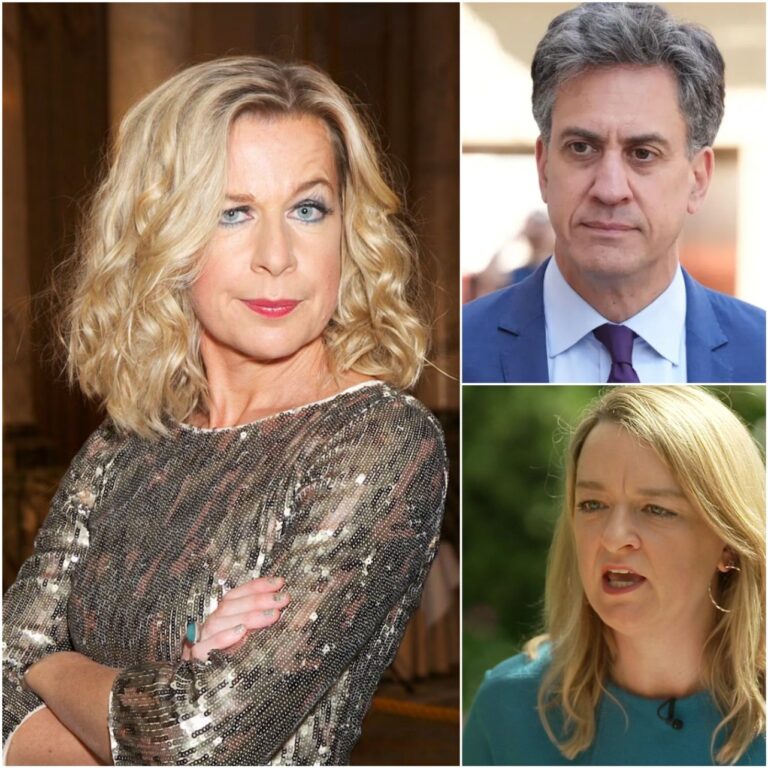
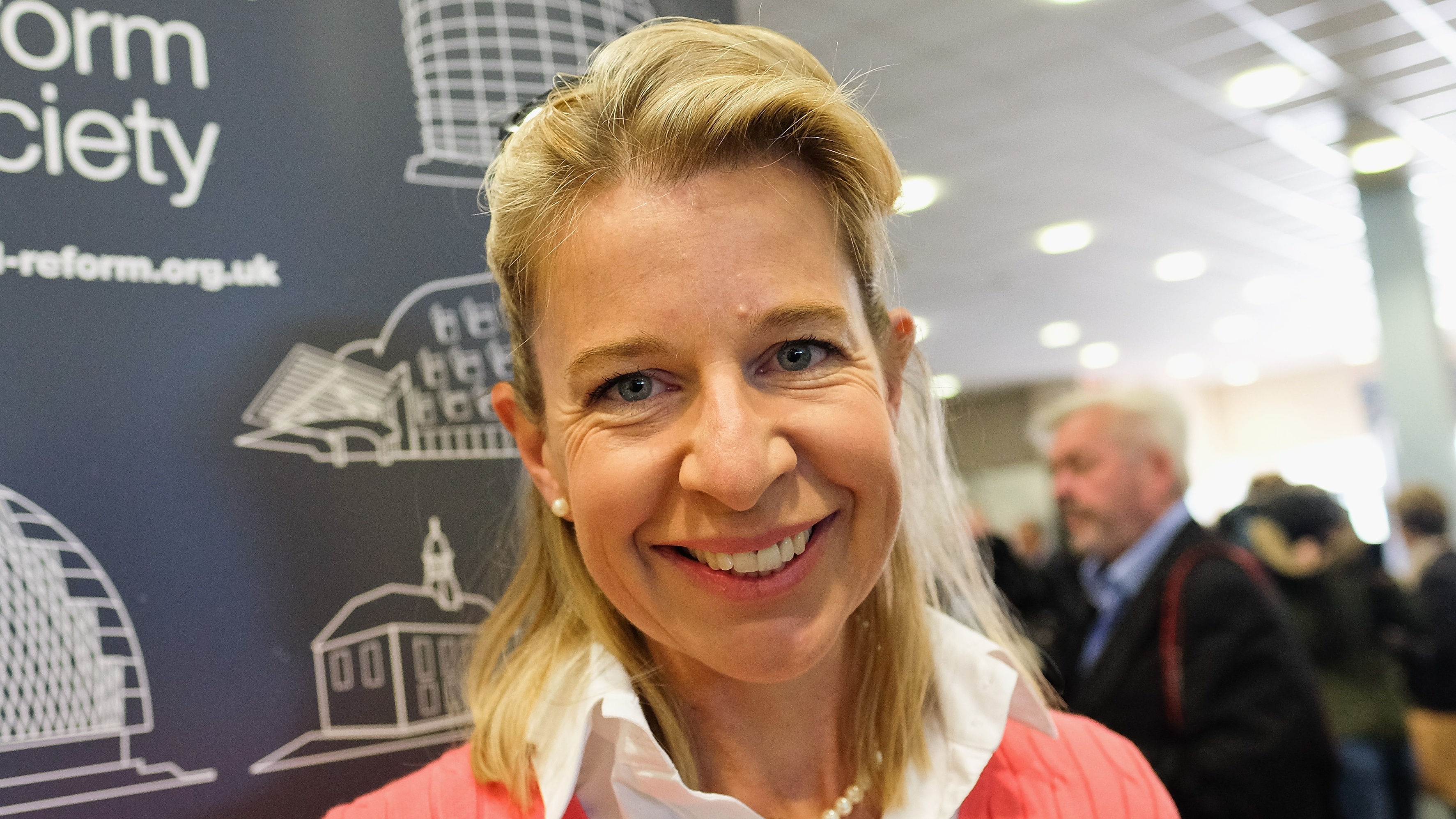
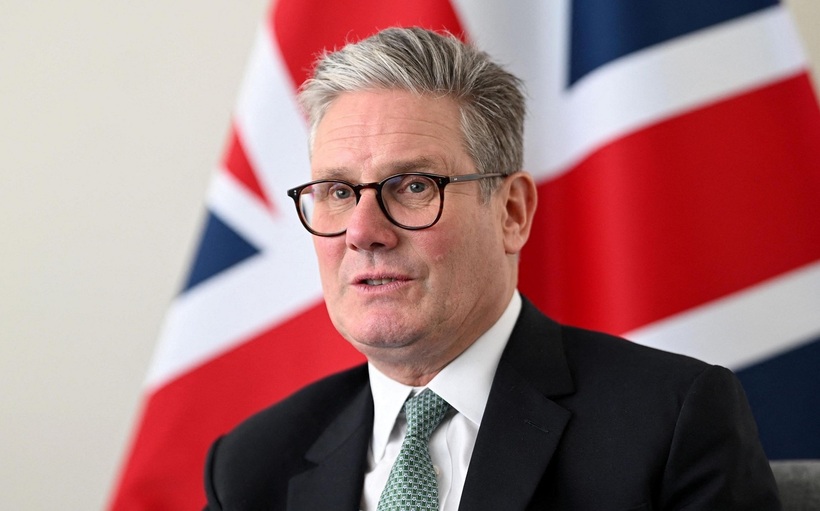
Katie Hopkins is officially calling for Keir Starmer to surrender £95 million-naruto
Katie Hopkins has publicly called on Keir Starmer to respond to allegations involving £95 million in supposed profits connected to recent UK health reform legislation. She frames the issue as a matter of urgent national concern.
According to her statement, Hopkins believes the alleged financial gains are linked to political influence surrounding changes affecting the National Health Service. She argues that any appearance of personal benefit tied to public policy must be fully examined.
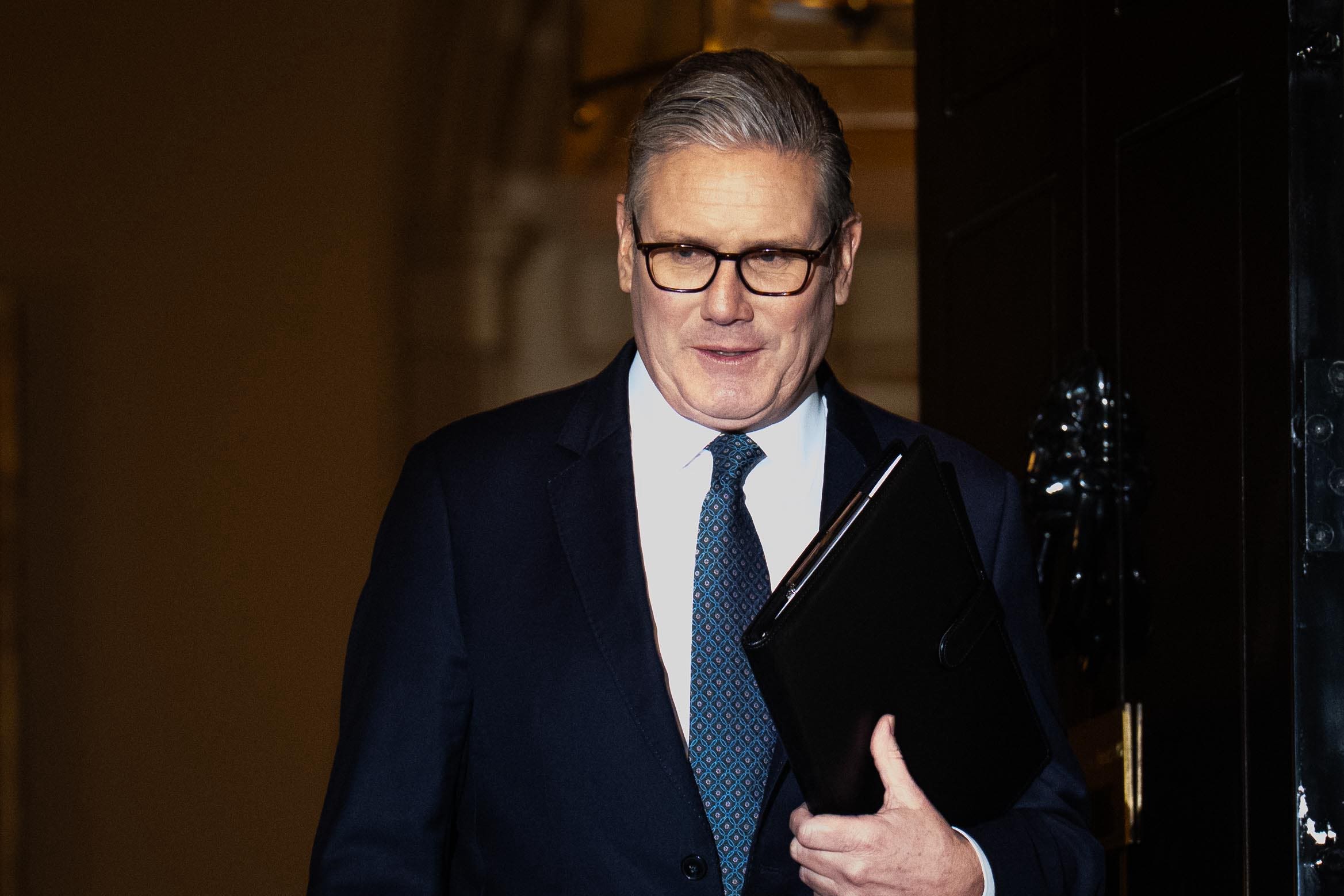
Hopkins described the situation as a “blatant influence” and an “abuse of public office,” asserting that leadership positions carry strict ethical responsibilities. She emphasized that public trust depends on clear separation between private interests and government decision-making.
In her remarks, she set a three-day ultimatum for an official response. If no clarification is offered, Hopkins stated she would escalate the matter to the Crown Prosecution Service, requesting a formal legal review.
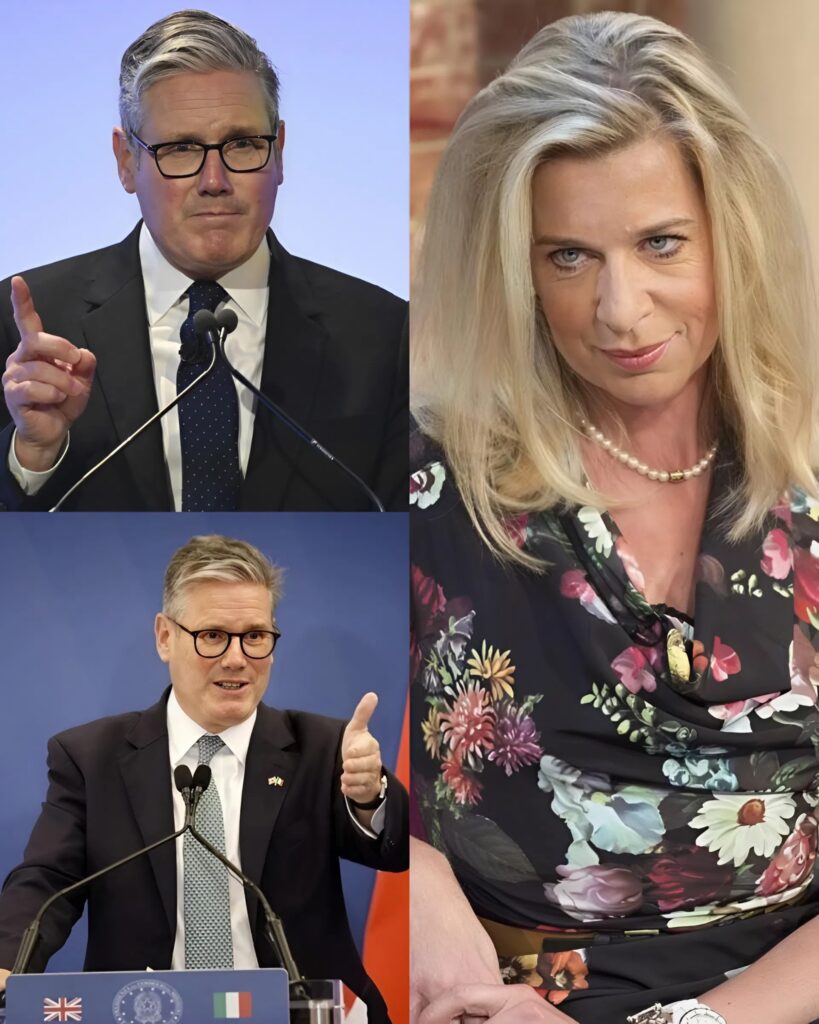
The allegations center on claims that legislative reforms could have indirectly benefited networks or entities allegedly linked to Starmer. However, no independent authority has publicly confirmed wrongdoing or verified the financial figures referenced.
Political observers note that accusations involving public funds and healthcare reform often generate strong reactions. The NHS remains a highly sensitive national institution, and any suggestion of impropriety can quickly intensify public debate.
Supporters of Starmer argue that the claims require credible evidence before conclusions are drawn. They stress that accusations alone do not equate to proof and that due process must guide any investigation.
Critics, meanwhile, say transparency is essential and welcome calls for clarification. They contend that elected officials should proactively address concerns, particularly when large sums of public money are mentioned.
Legal experts point out that referrals to the Crown Prosecution Service typically require substantiated documentation. Without verified evidence, formal proceedings may not advance beyond preliminary assessment stages.
At this stage, the matter remains a public controversy driven by political commentary rather than confirmed judicial findings. Until official investigations determine otherwise, the allegations remain unproven and subject to scrutiny.
The unfolding debate reflects broader tensions within UK politics, where public spending and healthcare reform remain deeply sensitive topics. Any claim involving large financial figures and policy influence naturally attracts widespread attention and scrutiny.
Healthcare reform in the United Kingdom has long sparked ideological divisions. Proposals affecting funding structures, management systems, or service delivery often generate intense parliamentary debate and media coverage nationwide.
The National Health Service is considered one of the country’s most valued institutions. As a publicly funded system, it symbolizes collective responsibility, making allegations of private gain particularly controversial.

In recent years, reforms have focused on efficiency, regional coordination, and integration of digital infrastructure. Such changes often involve complex partnerships between government bodies and private contractors.
Whenever policy intersects with commercial interests, critics frequently question whether adequate safeguards exist. Transparency mechanisms, disclosure requirements, and ethics committees are intended to prevent conflicts of interest.
Supporters of current leadership argue that reforms aim to modernize healthcare delivery. They maintain that changes are necessary to address staffing shortages, waiting lists, and financial sustainability.
Opponents counter that restructuring can create opportunities for external entities to benefit. They emphasize the importance of monitoring procurement processes and contractual arrangements.
Public discourse has increasingly shifted toward accountability in governance. Social media platforms amplify allegations rapidly, sometimes outpacing formal verification procedures.
Statements made by influential commentators can intensify public reaction. However, legal accountability depends on documented evidence rather than rhetorical assertions.
The Crown Prosecution Service operates independently from political influence. It assesses evidence submitted by investigative authorities before determining whether prosecution is warranted.
For a case to proceed, prosecutors must establish sufficient evidence and consider whether action serves the public interest. This process ensures that allegations alone do not determine outcomes.
Political controversies often follow predictable patterns. Initial claims prompt calls for investigation, followed by media analysis and official responses.
If no substantive evidence emerges, public attention may gradually shift elsewhere. Conversely, credible documentation can escalate scrutiny significantly.
Observers note that healthcare funding reforms involve billions of pounds annually. Large-scale budgets can make figures like £95 million appear plausible, even without verification.
Nevertheless, financial claims require transparent sourcing. Official reports, audit findings, or parliamentary records typically provide the strongest foundation for serious allegations.
Ethical standards for public officials include disclosure of financial interests. These measures are designed to prevent personal enrichment linked to policy decisions.
Independent watchdog organizations also monitor governance practices. Their reviews can help clarify whether procedural guidelines were followed appropriately.
Political narratives sometimes frame disputes in moral terms. Words such as “abuse” and “blatant influence” carry strong emotional weight in public debate.
However, the legal threshold for misconduct differs from rhetorical framing. Establishing wrongdoing demands concrete proof of intentional benefit or breach of duty.
The broader conversation highlights the fragile nature of public trust. Confidence in democratic institutions depends on transparent communication and accountability.
Regardless of political affiliation, citizens generally expect clarity when substantial sums of public money are involved. Silence or delayed responses can intensify suspicion.
On the other hand, premature conclusions risk undermining fairness. Reputational damage can occur even before investigations conclude.
Ultimately, the situation underscores the balance between free expression and responsible reporting. Public figures have the right to question leadership, yet accusations must be grounded in verifiable facts.
Until formal findings emerge, the matter remains part of ongoing political discourse. Clear evidence and official review will determine whether it becomes a legal issue or fades as a disputed claim.