BREAKING: Rupert Lowe CUT OFF in SHOCK Parliament Clash After Revealing Plan to PROSECUTE MPs in Grooming Gang Scandal!-phuongchi
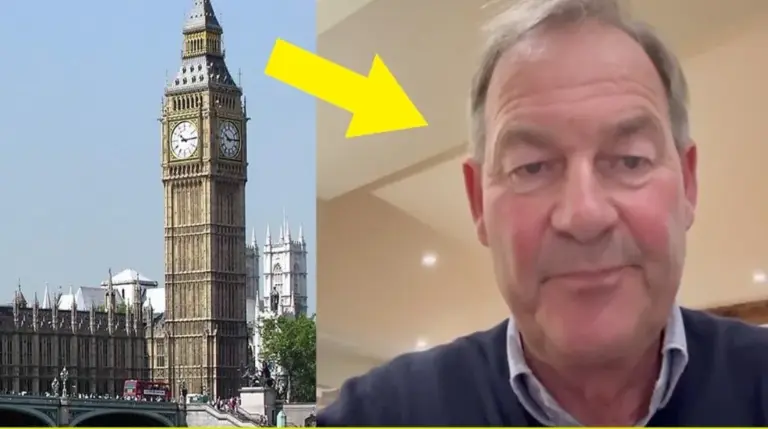
Parliament erupted into chaos after Rupert Lowe was abruptly cut off mid-speech while outlining what he described as a plan to pursue prosecutions connected to the grooming gang scandal.
The interruption came at the precise moment he appeared to suggest that political accountability could extend to elected officials, instantly triggering loud objections from across the chamber.
Gasps echoed through the Commons as the Speaker rose sharply, warning against statements that could imply criminal conduct without formal charges or verified findings.
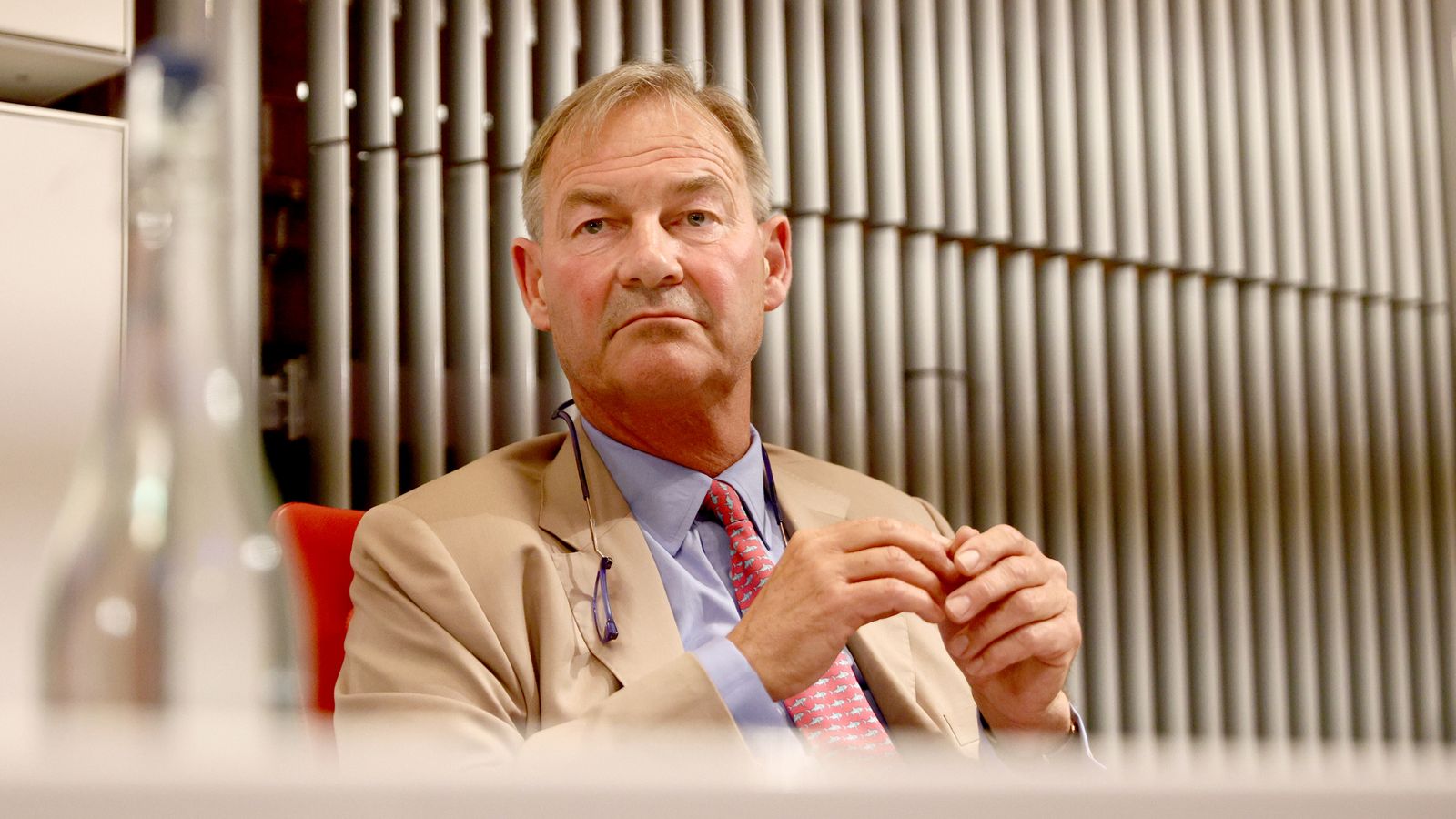
Lowe attempted to press forward, insisting that “no one should be above investigation,” but his microphone was silenced as shouting intensified.
The chamber, usually governed by ritual and procedure, transformed into a storm of accusations, points of order, and procedural disputes.
Veteran MPs later described the atmosphere as one of the most volatile exchanges seen in recent sessions.
Supporters of Lowe argued that raising the possibility of prosecutions was a legitimate call for accountability in a scandal that has already led to numerous criminal convictions across the country.
Critics countered that implying involvement by sitting MPs without presenting evidence risks damaging reputations and undermining due process.
The grooming gang scandal remains one of the most painful chapters in recent British criminal history, involving organized abuse networks that operated for years before being fully exposed.
Multiple investigations have led to convictions, public inquiries, and fierce debates about institutional failures at local and national levels.
However, the suggestion that Members of Parliament themselves could face prosecution represents a dramatic and controversial escalation.
It shifts the narrative from institutional oversight to potential direct political culpability.
Legal scholars quickly weighed in following the clash, noting that parliamentary privilege allows MPs wide latitude in speech within the chamber.
At the same time, they cautioned that implying criminality without substantiated evidence can have serious ethical and political consequences.
The Speaker’s decision to cut Lowe off has become a second focal point of debate.
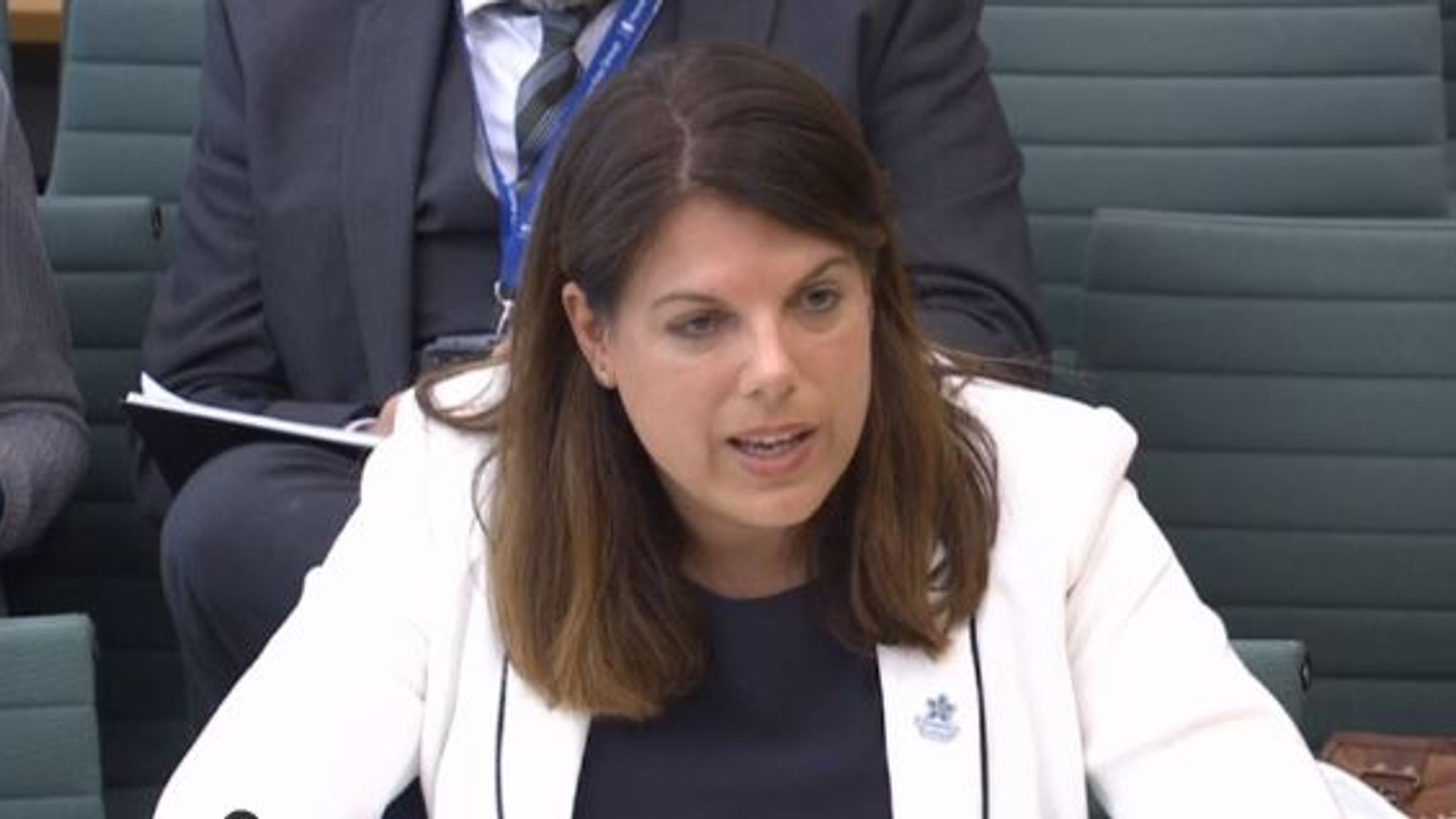
Some argue the intervention was necessary to maintain order and protect against unverified allegations.
Others claim the interruption fuels perceptions that uncomfortable questions are being stifled before they can be fully aired.
That perception alone has proven powerful in an era where trust in political institutions remains fragile.
Within minutes of the exchange, video clips flooded social media platforms, edited into dramatic segments and captioned with polarized interpretations.
Hashtags demanding investigations trended alongside posts condemning what critics described as inflammatory rhetoric.
Political commentators observed that the confrontation highlights deeper frustration among parts of the electorate.
Many citizens believe that accountability in past scandals has been uneven or incomplete.
At the same time, constitutional experts warn that conflating public anger with legal evidence risks eroding the safeguards that ensure fair trials and proper investigations.
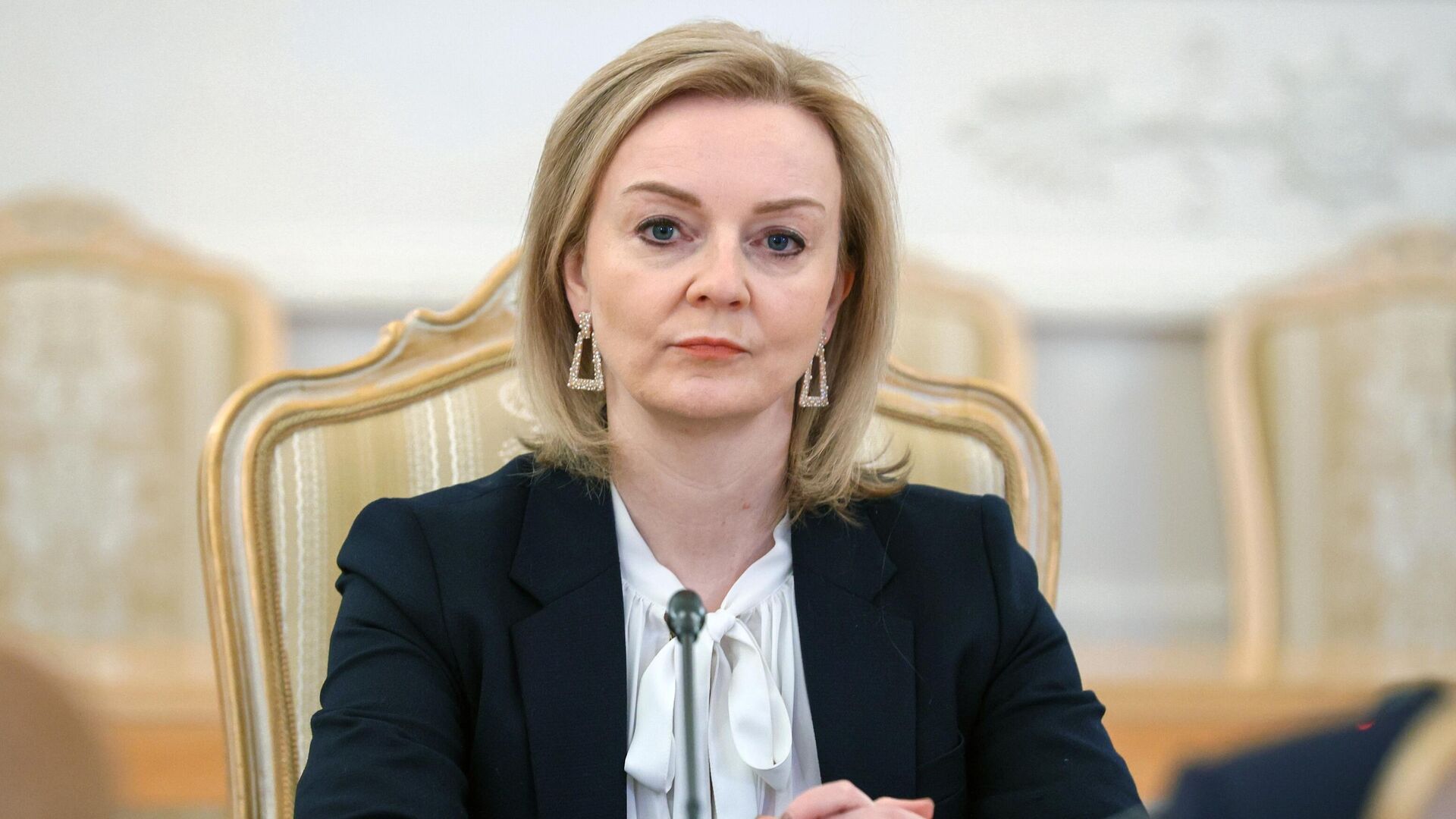
The line between demanding transparency and promoting unverified accusations can be perilously thin.
Opposition leaders have urged that any credible information be referred directly to law enforcement authorities rather than debated in headline-grabbing parliamentary confrontations.
Government representatives have so far avoided direct comment on Lowe’s specific remarks, emphasizing ongoing commitments to safeguarding and criminal justice reforms.
The clash has also reignited broader discussions about how Parliament handles explosive allegations.
Should MPs be permitted to air suspicions openly under privilege, or should stricter procedural limits apply when criminal implications arise?
For some observers, the uproar symbolizes a system struggling to reconcile public outrage with legal caution.
For others, it represents the necessary friction of democracy confronting painful truths.
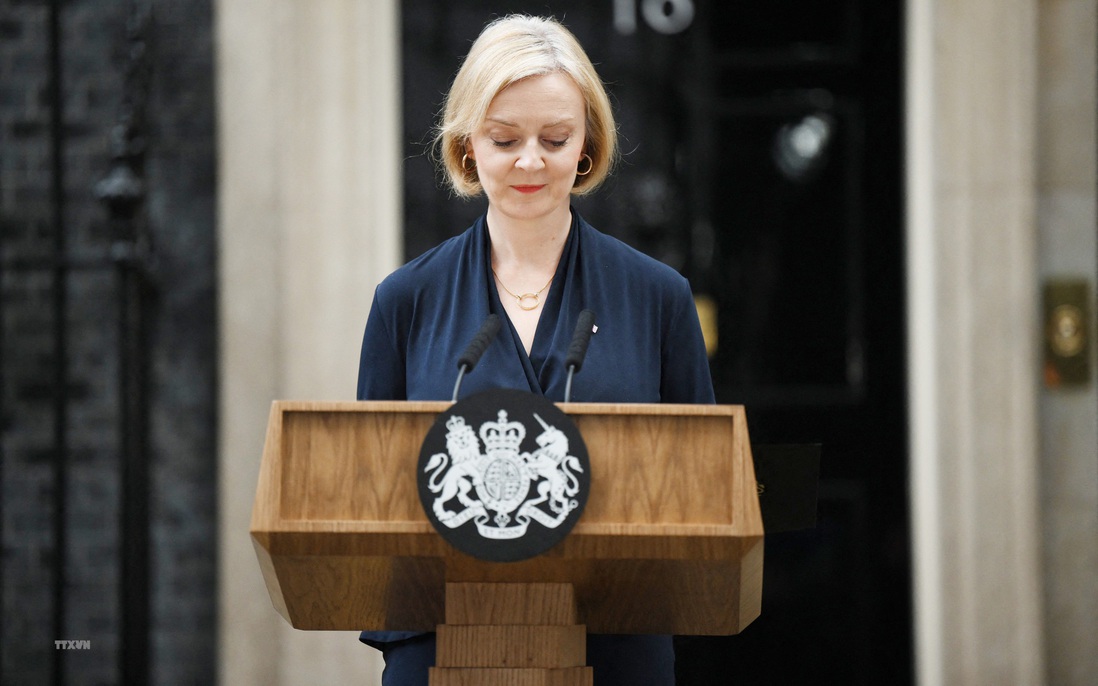
Outside Westminster, advocacy groups focused on victim support emphasized the importance of centering survivors rather than political theater.
They warned that sensational exchanges risk overshadowing the lived experiences of those directly harmed by abuse networks.
Meanwhile, political strategists are assessing the long-term ramifications of the moment.
Dramatic confrontations can energize supporters, but they can also deepen divisions within Parliament and the broader electorate.
The image of Lowe standing defiantly as his microphone was cut has become emblematic for some of a battle against perceived institutional resistance.
For others, it illustrates the dangers of escalating rhetoric without procedural backing.
Media analysts note that in the digital age, a few seconds of disruption can eclipse hours of policy discussion.
The spectacle of interruption often travels faster than the substance of any underlying claims.

Yet beneath the noise lies a serious and complex issue.
The grooming gang cases exposed systemic failures across multiple agencies and regions.
Public inquiries have already identified shortcomings in reporting, oversight, and inter-agency coordination.
Calls for reform have been ongoing, with various measures introduced to strengthen safeguarding and accountability mechanisms.
Whether Lowe’s intervention signals the beginning of new investigations or remains a symbolic flashpoint is uncertain.
Much will depend on whether concrete evidence emerges beyond the rhetoric exchanged in the chamber.

What is clear is that the confrontation has intensified scrutiny on how allegations are raised and handled at the highest levels of government.
It has also underscored the volatile intersection between parliamentary privilege and public perception.
As Westminster attempts to regain procedural calm, the political aftershocks continue to ripple outward.
Debates over accountability, free speech within Parliament, and the boundaries of responsible accusation are far from resolved.
For now, the defining image remains that of a silenced microphone and a chamber in uproar.
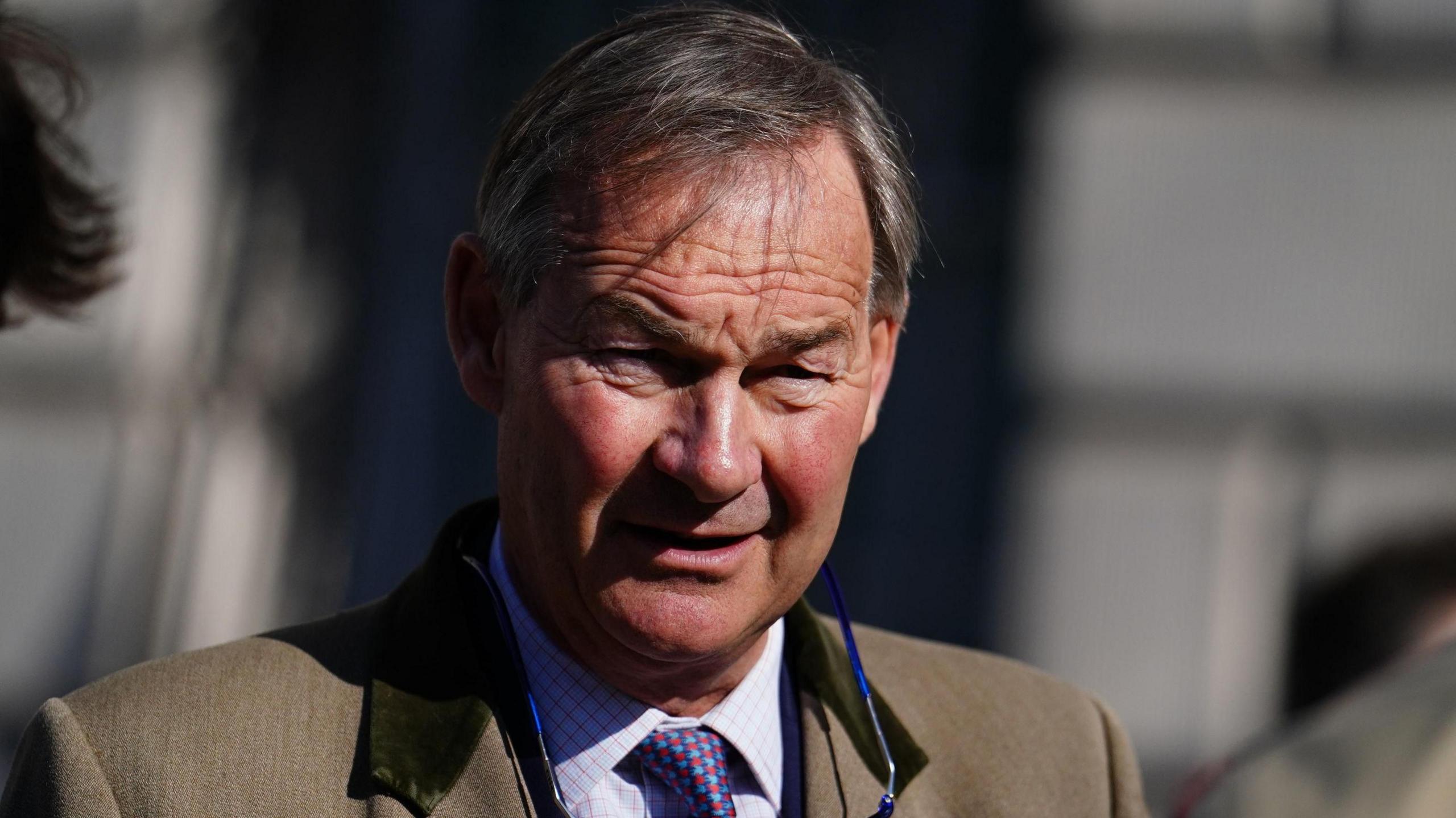
It is a snapshot of a political system wrestling with anger, caution, and the weight of one of the country’s most painful scandals.
Whether this moment becomes a catalyst for substantive reform or merely another viral flashpoint will depend on what happens next.
In British politics, as in any democracy, the path from accusation to accountability must ultimately pass through evidence, law, and due process.