THE SILENCE THAT SHATTERED WESTMINSTER: KATIE HOPKINS’ 11-SECOND TAKEDOWN OF THE POLITICAL ELITE LEAVES BBC STUDIO IN STUNNED SPEECHLESSNESS
There are moments in live television that transcend mere debate, piercing through the polished veneer of political theater to strike a raw nerve with the public.
On a recent broadcast of Sunday with Laura Kuenssberg, the atmosphere didn’t just turn cold—it froze.
What was intended to be a standard interrogation of “populist” rhetoric turned into a cultural earthquake when Katie Hopkins delivered a scathing indictment of the British establishment.
This wasn’t just another shouting match; it was the clinical dissection of a failing system, followed by eleven seconds of the most uncomfortable silence in the history of the BBC.
In those seconds, the ticking of the studio clock felt like a hammer blow against the credibility of the status quo.
The Setup: A Clash of Worlds
The tension was palpable from the very start.
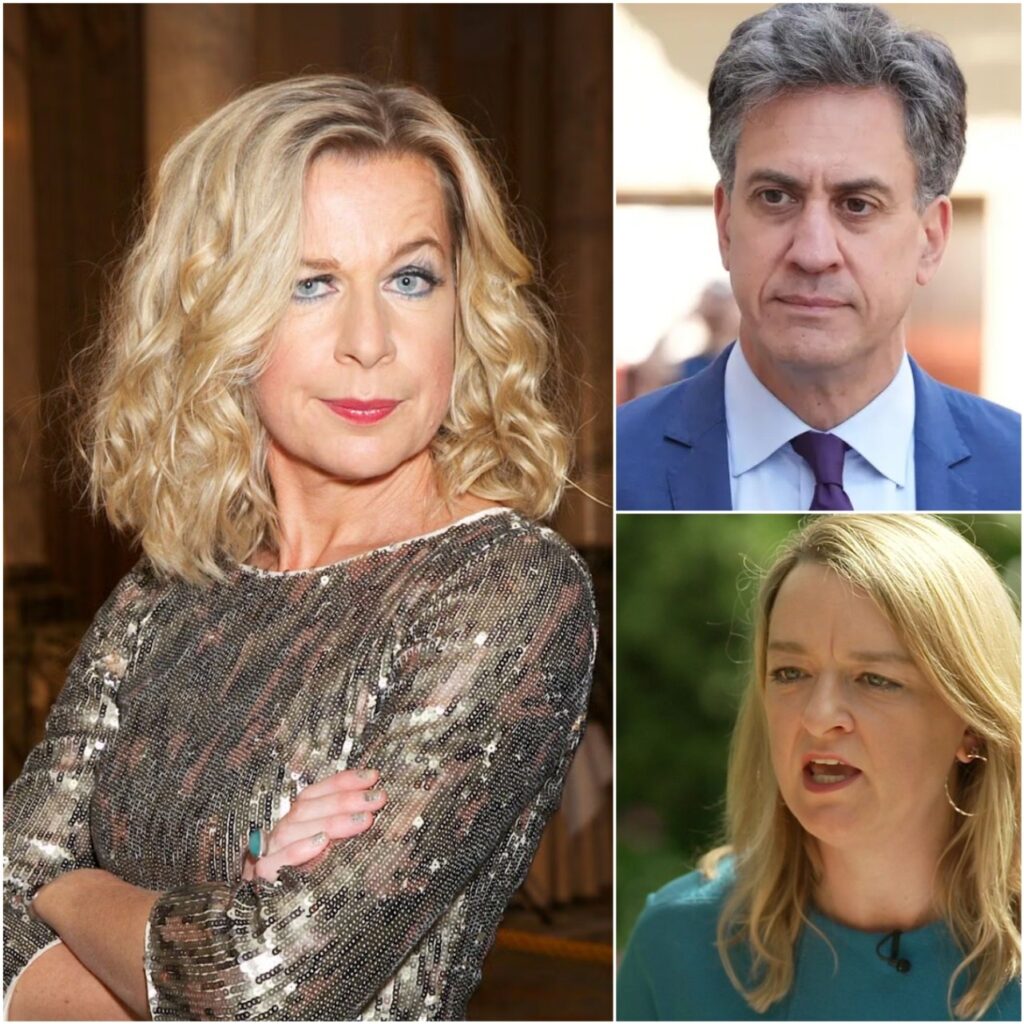
Sitting across from Ed Miliband—a man who has spent two decades within the hallowed, often insulated halls of power—Hopkins looked less like a guest and more like a predator waiting for a predictable opening.
Kuenssberg, ever the poised moderator, leaned in with a familiar smirk that suggested a “gotcha” moment was imminent.
She delivered Miliband’s critique like a seasoned prosecutor: “Ed Miliband says you deal in slogans rather than solutions—and that you need to ‘do your homework’ on serious policy.”
They expected Hopkins to bluster or get defensive. They expected a performance.
Instead, they got a cold, hard reflection of reality.
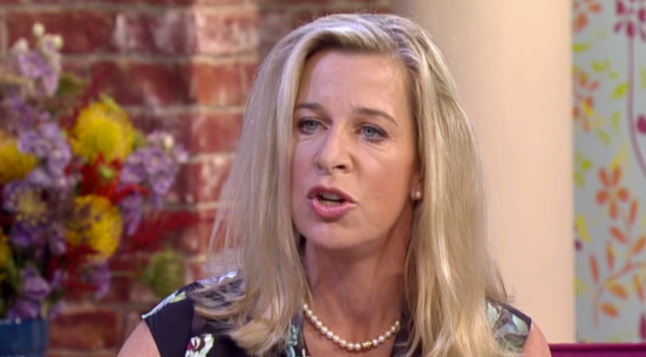
Hopkins didn’t reach for notes. She didn’t glance at a briefing script provided by a PR team.
She looked directly into the lens, bypassing the studio guests to speak to the millions watching at home.
“Laura, I do my homework every day—just not in Westminster meeting rooms,” she began. The shift in tone was immediate.
Her voice was steady, devoid of its usual theatrical edge, replaced by a chilling sincerity.
She continued, pivoting the definition of ‘homework’ from dry policy papers to the lived reality of the British taxpayer.
“People do their homework when they’re paying double for energy bills.
They do it when they’re waiting months for NHS treatment.
They do it when trains don’t run, roads aren’t fixed, and housing is out of reach.”
This was the core of her argument: while politicians study graphs and statistics, the public is studying their bank balances and survival strategies.
To the person choosing between heating and eating, Miliband’s ‘policy homework’ sounds like a foreign language spoken by people who don’t have to live with the consequences of their own failures.
The Eleven Seconds of Death
Turning her gaze toward Miliband, Hopkins delivered the killing blow to the political consensus that has governed Britain for a generation: “You’ve been at the heart of power for over twenty years.
If this system worked as well as you claim, the public wouldn’t be this angry.”
Then, it happened. The ‘Dead Air.’
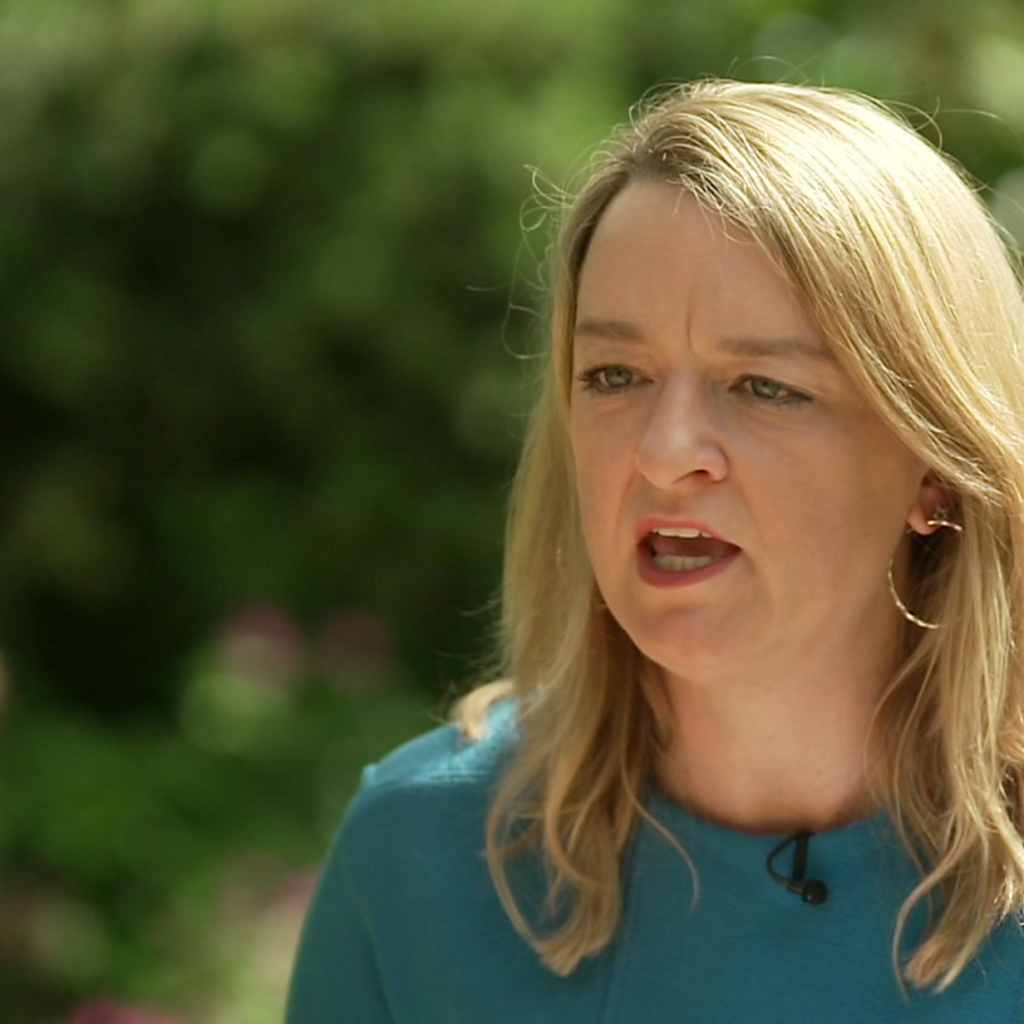
For eleven agonizing seconds, the BBC studio fell into a vacuum. Miliband, usually quick with a soundbite, sat motionless.
Kuenssberg looked down at her papers, searching for a pivot that wasn’t there.
In the world of live broadcasting, three seconds of silence is an eternity; eleven seconds is a catastrophe.
It was the sound of an establishment having no answer to a fundamental truth.
The silence confirmed what Hopkins had just articulated: the elite have run out of excuses, and more importantly, they have run out of solutions.
The Digital Aftermath and the “Populist” Label
The fallout was instantaneous. Within minutes, social media became a battlefield. Hashtags like #BrokenSystem and #ReformUK began trending globally.
While Labour sources and Westminster insiders were quick to dismiss the remarks as “dangerous populism,” the public reaction suggested a different story.
To the millions struggling with the cost-of-living crisis, Hopkins wasn’t being a firebrand; she was being a mirror.
Hopkins later took to social media to twist the knife, posting a single, devastating line: “Populism isn’t listening to the public.
Populism is ignoring them for twenty years—then acting surprised when they’ve had enough.”
This redefined the very word the elite use as a weapon.
In her view, the ‘populists’ aren’t those who stoke anger, but those whose incompetence makes that anger inevitable.
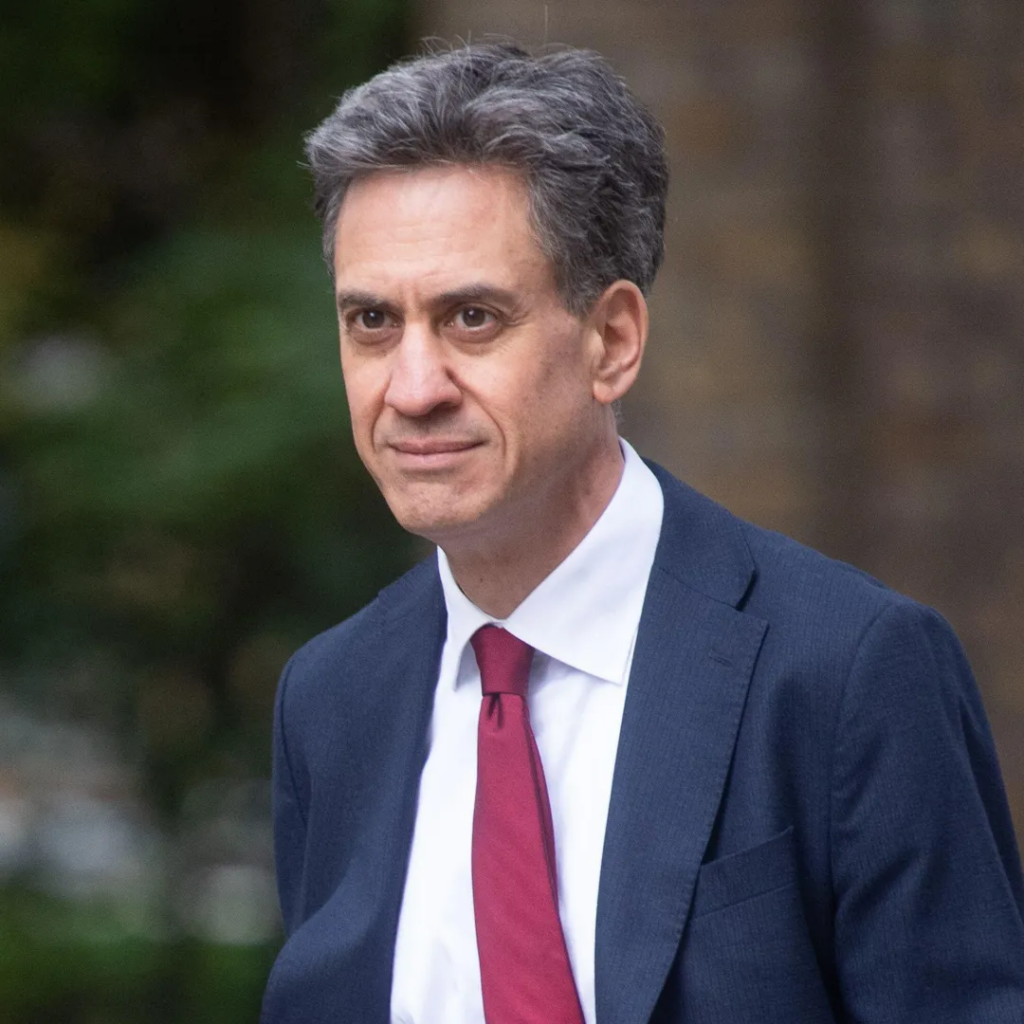
This wasn’t just about a TV spat.
It was a demonstration of the growing, perhaps irreparable chasm between the “checked-in” political class and the “checked-out” electorate.
When the “experts” tell the public they haven’t done their homework, but the public can’t afford their rent, the expert loses all moral authority.
The eleven seconds of silence represented a moment of realization: the old tricks of redirection and condescension no longer work.
British politics can no longer pretend it didn’t hear the message.
It was the loudest thing a politician—or a pundit—has said in years, and the echoes are likely to be felt at the ballot box.
The “uncomfortable truth” isn’t that Katie Hopkins spoke; it’s that no one in the room could prove her wrong.