
Trump Pentagon: Pete Hegseth Removes Top Army Leaders
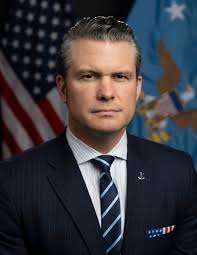
Pete Hegseth has ordered a major leadership change at the top of the U.S. Army, removing Chief of Staff Gen. Randy George and forcing an immediate transition at one of the military’s most important posts. Pentagon chief spokesman Sean Parnell confirmed that George would retire from his position effective immediately, making the move official after reports emerged that Hegseth wanted a new leadership team in place. The action quickly drew attention because George had remaining time left in his term and was serving in one of the military’s most powerful jobs.
The shake-up did not stop there. According to the Newsmax report, two other senior Army leaders were also removed: Gen. David Hodne, who leads Army Training and Doctrine Command, and Maj. Gen. William Green Jr., the chief of Army chaplains. Gen. Christopher LaNeve is stepping in as acting Army chief of staff, ensuring the Army continues to function without a leadership vacuum. The message from the Pentagon was unmistakable: this was not a routine transition, but part of a broader reset under Hegseth’s watch.
The shake-up did not stop there. According to the Newsmax report, two other senior Army leaders were also removed: Gen. David Hodne, who leads Army Training and Doctrine Command, and Maj. Gen. William Green Jr., the chief of Army chaplains. Gen. Christopher LaNeve is stepping in as acting Army chief of staff, ensuring the Army continues to function without a leadership vacuum. The message from the Pentagon was unmistakable: this was not a routine transition, but part of a broader reset under Hegseth’s watch.
George took the Army’s top post after a long military career and had previously served as senior military assistant to former Defense Secretary Lloyd Austin. His removal matters because the Army chief of staff oversees the service’s daily operations, force readiness, modernization efforts, and long-term strategic posture. Removing a sitting chief before the end of his term is a serious move that signals dissatisfaction at the highest levels, even if the official statement described the change as a retirement and did not publicly spell out a more detailed explanation.
The reported rationale from inside the department was blunt. A senior War Department official told CBS News that “it was time for a leadership change in the Army.” Newsmax also noted that the personnel action came amid broader operations involving Iran and followed a series of senior personnel decisions made since Hegseth took office. In other words, this appears to be part of a larger effort to install commanders who are seen as fully aligned with the administration’s priorities, rather than a single isolated firing tied to one event.
Reactions
Publicly, the Pentagon kept its language restrained. Parnell said, “General Randy A. George will be retiring from his position as the 41st Chief of Staff of the Army effective immediately,” and added that the department was grateful for his decades of service. That wording was diplomatic, but it did not hide the significance of what happened. Immediate retirements at that level do not pass unnoticed inside the military, on Capitol Hill, or among veterans who understand how rare it is for a top service chief to be pushed out before his term is complete.